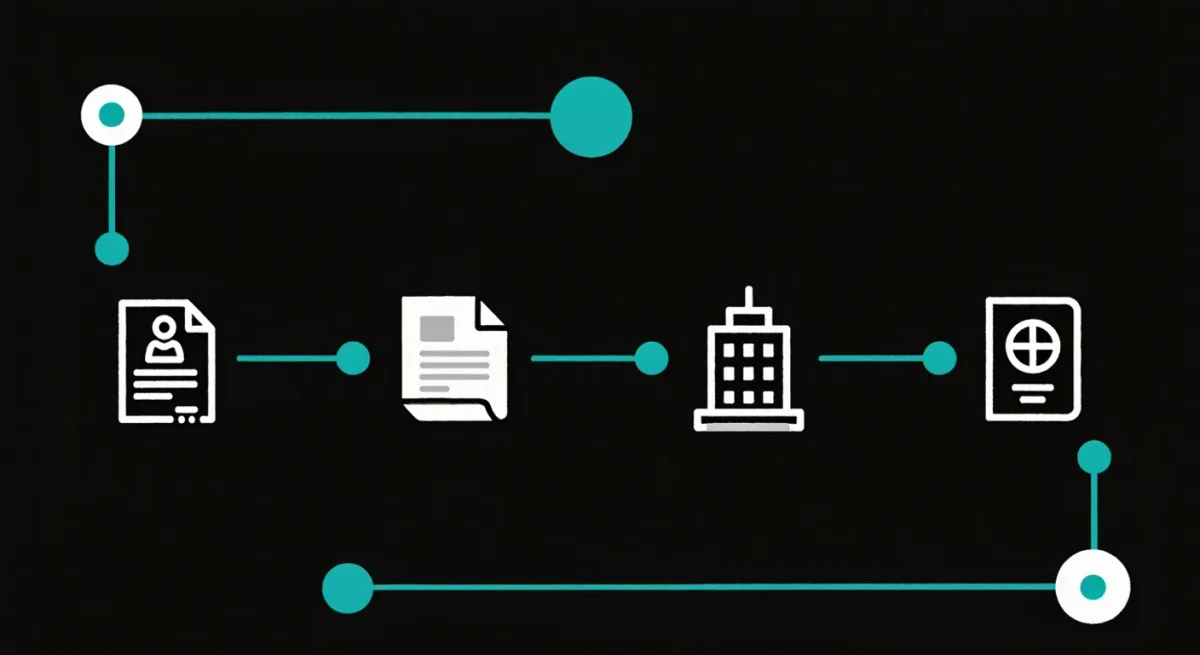
A UAE free zone is a designated jurisdiction where foreign investors own 100 percent of their company without a local partner, licence directly from the zone authority, and, for qualifying activities, pay 0 percent corporate tax on qualifying income under the 2023 federal tax regime. The country hosts more than 40 of them, from industrial ports to financial centres, and they host the majority of the UAE's registered companies.
The model built modern Dubai. Jebel Ali Free Zone, opened in 1985 around the port, proved that ownership rights could attract industry; the Dubai Multi Commodities Centre and Dubai Internet City followed in the 2000s; and the financial free zones, the DIFC from 2004 and Abu Dhabi Global Market from 2015, went further, importing English-language common law with their own courts. For business in the Gulf, the choice between free zone and mainland is the first structural decision any company makes here.
What a free zone licence gets you
- Full foreign ownership, no Emirati shareholder required.
- 0 percent corporate tax on qualifying income for qualifying free zone persons, subject to substance and activity tests.
- Customs exemptions within the zone for goods transiting or processed there.
- 100 percent repatriation of capital and profits.
- Visa allocations tied to office space, flexible desks up to fitted suites.
The restriction that matters
A free zone company historically could not trade inside the UAE mainland without a local distributor or a mainland branch. That boundary has softened: mainland licences now also allow full foreign ownership in most commercial activities after 2020-21 reforms, and the corporate tax code taxes mainland profits at 9 percent above AED 375,000 while preserving 0 percent for qualifying free zone income. The result is a genuine trade-off: free zones offer tax efficiency and setup speed for international business; the mainland offers unrestricted access to the domestic market.
| Zone type | Examples | Typical tenant |
|---|---|---|
| Financial centres | DIFC, ADGM | Banks, funds, holding companies |
| General commercial | DMCC, JAFZA | Trading, commodities, logistics |
| Industry and maritime | JAFZA, Khalifa Port zones | Manufacturing, re-export |
| Media and tech | Dubai Internet City, twofour54 | Software, media, studios |
Which zone for which business
Commodity traders cluster at the DMCC, repeatedly ranked the world's leading free zone by fDi Intelligence, for its licensing breadth and warehousing. Financial services firms that need enforceable contracts with international counterparties choose the DIFC or ADGM, whose courts apply common law with English as the language of proceedings. Manufacturing and logistics take port-side zones. Service companies exporting expertise rather than goods pick a general zone on cost and visa quota.
Setup is standardised: pick the zone and licence type, reserve the company name, file shareholder documents, take office space, and receive the licence and visa allocations, typically in one to four weeks. Costs differ materially by zone and by flexi-desk versus fitted-office tiers.
The free zone economy, in numbers
The zones are not a niche; they are the base layer of the UAE company registry. Dubai's two dozen-plus zones alone host six-figure company counts, with the DMCC adding thousands of new registrations in strong quarters and smaller zones competing on niche licences and price. The cumulative registered base across the emirates runs well past half a million companies, most of them small trading and services firms, a modest number of them the regional headquarters of multinationals, and the licence-fee economy, zone authorities' revenues plus the service industries around them, supports a professional-services sector that ranks among the emirates' largest employers.
| Zone generation | Model | Examples |
|---|---|---|
| First (1980s) | Port-anchored industrial | JAFZA |
| Second (2000s) | Sector-clusters and offices | DMCC, Internet City, Media City |
| Third (post-2015) | Financial centres with own law | DIFC, ADGM |
| Fourth (2020s) | Niche and cost-competitive | Specialist tech, fintech and family-office zones |
The generational history explains the price ladder. JAFZA's industrial plots price on logistics value; the DMCC's flexi-desks price on licensing breadth and brand; DIFC and ADGM price on legal system and market access, with their fees functioning as the cost of a common-law jurisdiction inside a civil-law country. Buyers should match the generation to the need, because paying for a financial centre's legal system to run a trading office, or expecting a flexi-desk licence to carry a bank's requirements, are the two most common mismatches advisers see.
Banking, the practical constraint
The step that most often delays a free zone launch is not licensing but banking. UAE banks apply their own risk appetite to new entities, and a freshly licensed free zone company with a foreign shareholder, however legitimate, can wait months for account approval or face enhanced due diligence on its industry and client base. Practical mitigations are unglamorous and effective: choose a zone banks are familiar with, prepare shareholder and source-of-funds documentation before applying, avoid licence scopes that trip sanctions screening lists, and where speed is critical, use established corporate service providers whose files banks already know. The licensing regime invites the world; the banking system still checks its documents, and plans should budget for that difference.
What to weigh before choosing
Four questions settle it. Where are your clients, inside the UAE or outside it? Do you need the domestic market enough to accept mainland taxation? Do you need a specific legal system, which only the financial zones provide? And how many visas do you need, since quota rules differ by zone? Companies that answer those four first rarely relocate later, and relocation, licence cancellation, new visas and bank accounts, is expensive.
The other decision that increasingly pairs with zone choice is regional: Saudi Arabia's regional headquarters rule pulls companies to put substance in Riyadh, covered in our explainer on the Saudi RHQ programme. Many regional structures now hold a UAE free zone base plus a Saudi RHQ, the two jurisdictions' incentives pointing in complementary directions.